Fruit was one of the simplest and most enjoyable subjects for me to attempt watercolor painting when I first started. Fruits have beautiful colors, simple shapes, and lots of opportunities to experiment with brush control, blending, and layering.
Even now, I frequently find myself returning to painting fruit when I want to unwind or fill a sketchbook page with something enjoyable.
Selecting things that are too complicated too quickly is one of the most common blunders made by beginners. You can concentrate on the fundamentals of watercolor without being overwhelmed by creating simple fruit images.
For me, painting common fruits has improved my comprehension of texture, highlights, shadows, and color changes. Whether you are creating artwork for a notebook, greeting cards, wall décor, or just improving your watercolor skills, these beginner-friendly fruit painting ideas are the ideal starting point.
1. Strawberry Cluster
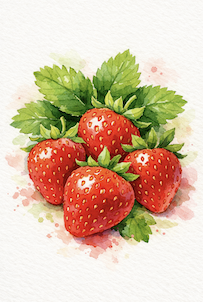
Because the shapes are simple and forgiving, a little bunch of ripe strawberries makes an excellent beginning project. Practice using tiny seed features in rich red gradients. The green foliage helps with brush accuracy and creates a nice contrast.
🍓 Strawberry Watercolor Color Palette
| Color | Hex Code | Best Use |
|---|---|---|
| Strawberry Red | #E85A4F | Main strawberry color |
| Coral Blush | #F7A08A | Soft watercolor splashes |
| Leaf Green | #7BAE4A | Fresh leaves and foliage |
| Sage Green | #A8C686 | Leaf shadows and depth |
| Creamy Ivory | #FFFDF4 | Paper background tone |
| Honey Gold | #EBCB72 | Seeds and warm highlights |
2. Lemon Slice Splash
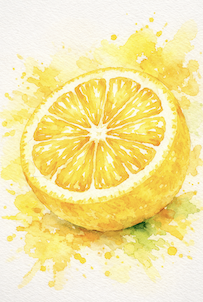
Slices of lemon are excellent for teaching stacking techniques and transparency. Any page is instantly infused with vitality and fresh air thanks to the bright yellow tones. Add subtle watercolor splashes around the fruit to create a relaxed, creative effect.
🍋 Lemon Watercolor Color Palette
| Color | Hex Code | Best Use |
|---|---|---|
| Lemon Yellow | #F7D94C | Main lemon flesh and bright highlights |
| Golden Yellow | #EFC63A | Peel details and deeper citrus tones |
| Soft Butter | #FFF1A6 | Light watercolor washes and highlights |
| Citrus Gold | #DFAF28 | Shadows and texture within the fruit |
| Fresh Leaf Green | #A8C76F | Subtle leaf accents and background touches |
| Creamy White | #FFFEF5 | Paper background and soft contrast areas |
3. Classic Apple Still Life
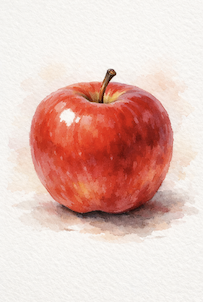
A red apple is one of the most familiar watercolor subjects for novices. To make it appear realistic, try to create a smooth color transition and a subtle highlight. Without any effort, depth is provided by a gentle shadow beneath.
🍎 Apple Watercolor Color Palette
| Color | Hex Code | Best Use |
|---|---|---|
| Apple Red | #D84A3A | Main apple color and focal areas |
| Crimson Red | #B9332A | Deep shadows and rich color variation |
| Coral Peach | #F2A17D | Soft highlights and warm reflections |
| Blush Beige | #EAD7CC | Background washes and subtle shading |
| Stem Brown | #8A5A3A | Stem and darker accent details |
| Paper White | #FFFDFC | Background and highlight areas |
4. Peach with Blush Tones
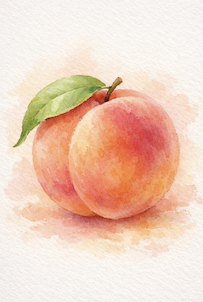
Peaches provide beautiful opportunities to blend warm pinks, oranges, and yellows. Beginners can easily use the fuzzy texture because it doesn’t require precise details. Soft green foliage completes the image with a natural balance.
🍑 Peach Watercolor Color Palette
| Color | Hex Code | Best Use |
|---|---|---|
| Peach Blush | #F6B38D | Main peach color and soft gradients |
| Sunset Coral | #E98A73 | Warm blush areas and fruit texture |
| Rosy Apricot | #F8C8A5 | Highlights and watercolor washes |
| Leaf Green | #A8B97A | Leaf details and natural accents |
| Warm Beige | #EAD9C9 | Soft shadows and background splashes |
| Paper Cream | #FFFDF8 | Background and lightest highlights |
5. Purple Grapes Bunch
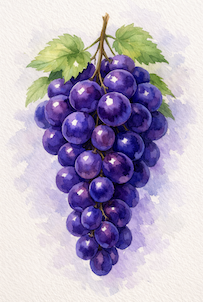
Understanding how light interacts with spherical objects can be achieved through painting grapes. Each grape may have a somewhat different purple and violet color. The layered appearance adds dimension, and it’s simple to make.
🍇 Grape Watercolor Color Palette
| Color | Hex Code | Best Use |
|---|---|---|
| Grape Purple | #5A43A5 | Main grape color and focal areas |
| Royal Violet | #6D56BC | Mid-tones and fruit depth |
| Deep Plum | #3F2B7A | Shadows and rich contrast |
| Soft Lavender | #DCD5F1 | Background washes and highlights |
| Vine Green | #A9BE7B | Leaves and natural accents |
| Paper White | #FCFBFF | Background and brightest highlights |
6. Tropical Pineapple
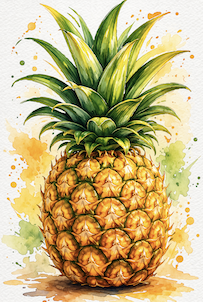
Painting a pineapple with casual watercolor techniques is surprisingly fun despite its seemingly intricate appearance. Instead than focusing on minute details, pay attention to warm golden tones and simple textural lines. The artwork is given energy and movement by the leafy top.
🍍 Pineapple Watercolor Color Palette
| Color | Hex Code | Best Use |
|---|---|---|
| Pineapple Gold | #E6A83B | Main fruit body and warm highlights |
| Honey Amber | #C98A2D | Texture details and deeper tones |
| Citrus Yellow | #F2D36B | Bright highlights and watercolor splashes |
| Tropical Green | #6F9D4A | Leaves and natural accents |
| Sage Green | #A8BE78 | Leaf highlights and soft foliage tones |
| Cream White | #FFFDF7 | Background and lightest areas |
7. Watermelon Slice
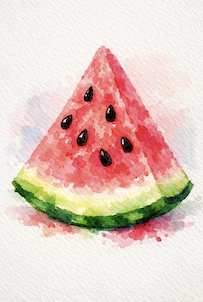
Watermelon is one of my favorite fruits to paint because of its bright hues. An immediate visual contrast is provided by the bright pink meat, green skin, and tiny black seeds. It’s a useful technique for controlling the brush and separating colors.
🍉 Watermelon Watercolor Color Palette
| Color | Hex Code | Best Use |
|---|---|---|
| Watermelon Pink | #F28A9A | Main fruit flesh and soft watercolor washes |
| Rosy Red | #E56B7B | Shadows and deeper fruit tones |
| Rind Green | #5D9C4D | Outer rind and natural accents |
| Fresh Lime | #B7D77A | Inner rind highlights |
| Seed Black | #2F2323 | Seeds and contrast details |
| Paper Blush | #FFF8F8 | Background and light watercolor areas |
8. Banana Curve Study
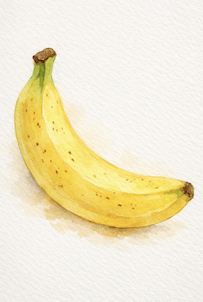
Beginners can learn subtle shading and smooth washes on a banana with a soft curvature. For an authentic effect, use light yellows with a few brown specks. It’s great for quick watercolor experiments because of its simple design.
🍌 Banana Watercolor Color Palette
| Color | Hex Code | Best Use |
|---|---|---|
| Banana Yellow | #F3D85C | Main banana peel color |
| Golden Yellow | #E7C44A | Warm shadows and peel texture |
| Soft Cream | #F9EBAA | Highlights and watercolor washes |
| Olive Green | #A7B15C | Stem and subtle green undertones |
| Cocoa Brown | #8A6843 | Stem tips and accent details |
| Paper Ivory | #FFFDF6 | Background and lightest highlights |
9. Cherries Pair
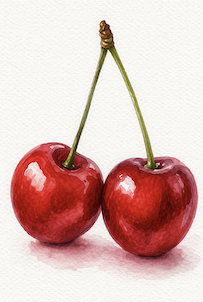
A lovely and appealing composition is created by two entwined cherries. The fruit has small accents and intense crimson tones, giving it a bright, fresh appearance. They are also excellent for practicing sketching because of their modest size.
🍒 Cherry Watercolor Color Palette
| Color | Hex Code | Best Use |
|---|---|---|
| Cherry Red | #C83A3A | Main cherry color and focal areas |
| Ruby Red | #A72633 | Deep shadows and rich fruit tones |
| Blush Pink | #E8B6BE | Soft reflections and watercolor washes |
| Stem Green | #8A9B5A | Cherry stems and natural accents |
| Bark Brown | #7B5A3E | Stem knots and darker details |
| Paper White | #FFFDFC | Background and highlights |
10. Orange with Peel
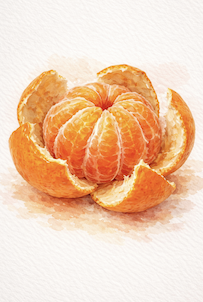
An orange that has been partially peeled adds texture and visual interest. Keep the peel loose and expressive while applying clear layers of paint to the juicy areas. The composition is made more dynamic by the curved skin.
🍊 Mandarin Orange Watercolor Color Palette
| Color | Hex Code | Best Use |
|---|---|---|
| Citrus Orange | #F29A3A | Main fruit color and peel details |
| Tangerine Gold | #E67F28 | Shadows and rich citrus tones |
| Peach Apricot | #F7BC8A | Segment highlights and soft washes |
| Creamy Citrus | #FBE6BE | Inner peel and light reflections |
| Warm Beige | #E7D1C0 | Background splashes and soft shadows |
| Paper Cream | #FFFDF9 | Background and brightest highlights |
11. Mango Glow
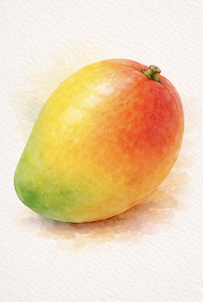
Mangoes have a lot of color shifts by nature, which makes them an excellent practice. For a realistic look, combine orange, yellow, and a hint of green. The project’s clean contour makes it appropriate for beginners.
🥭 Mango Watercolor Color Palette
| Color | Hex Code | Best Use |
|---|---|---|
| Mango Gold | #F4C84A | Main mango body and warm highlights |
| Sunset Orange | #EE8A3A | Blush areas and color transitions |
| Tropical Red | #D95C42 | Deep blush tones and shadow details |
| Fresh Green | #9FC46A | Green base tones and natural accents |
| Soft Peach | #F5D3B1 | Watercolor washes and soft highlights |
| Paper Cream | #FFFDF8 | Background and brightest highlights |
12. Pear Elegance
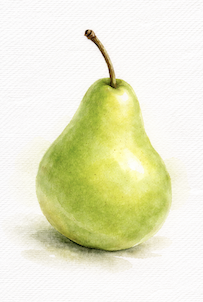
The pear’s exquisite shape makes it a beautiful watercolor subject. Delicate shading and soft green tones aid in the construction of form without requiring sophisticated methods. The image is finished with a thin stem.
🍐 Pear Watercolor Color Palette
| Color | Hex Code | Best Use |
|---|---|---|
| Pear Green | #B8D46A | Main pear body and fresh highlights |
| Apple Green | #9FC256 | Mid-tones and natural color transitions |
| Soft Lime | #D8E89A | Light washes and bright highlights |
| Olive Shadow | #7F9546 | Shadows and depth within the fruit |
| Stem Brown | #8A6A45 | Stem and accent details |
| Paper Ivory | #FFFDF8 | Background and watercolor paper effect |
13. Blueberries Bowl
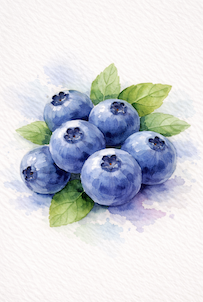
Despite their small size, blueberries are surprisingly enjoyable to paint. Their hazy blue surface is perfect for experimenting with delicate accents and subdued color combinations. The combination of different berries creates a visually pleasing composition.
🫐 Blueberry Watercolor Color Palette
| Color | Hex Code | Best Use |
|---|---|---|
| Blueberry Blue | #6E82C7 | Main blueberry color and focal areas |
| Indigo Blue | #4F63A8 | Shadows and depth within the berries |
| Soft Periwinkle | #B7C3E8 | Highlights and watercolor washes |
| Leaf Green | #A8C67A | Leaves and natural accents |
| Sage Green | #C5D7A5 | Leaf highlights and soft foliage tones |
| Paper Lavender | #F7F8FC | Background and watercolor paper effect |
14. Melon Half
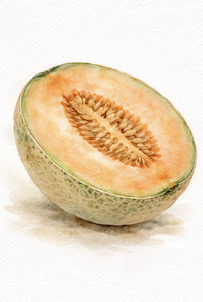
Warm orange tones can be experimented with with sliced cantaloupe or muskmelon. Although it is simple to paint, the seed-filled center provides texture. This fruit is a great choice for loose watercolor splashes.
🍈 Cantaloupe Watercolor Color Palette
| Color | Hex Code | Best Use |
|---|---|---|
| Melon Peach | #F2C39A | Main fruit flesh and soft highlights |
| Apricot Orange | #E8A978 | Deeper flesh tones and shadows |
| Rind Green | #A9B88A | Outer rind and natural accents |
| Sage Beige | #D8CCB2 | Rind texture and background details |
| Seed Brown | #B18455 | Seeds and central texture details |
| Paper Cream | #FFFDF8 | Background and watercolor paper effect |
15. Green Apple Freshness
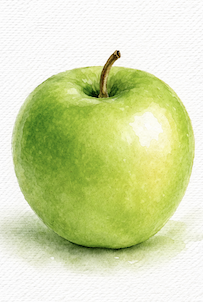
When compared to warmer fruit colors, a green apple offers a welcome change of pace. Highlight smooth mixing methods and cool green hues. Often, the most striking design is the simplest and cleanest.
🍏 Green Apple Watercolor Color Palette
| Color | Hex Code | Best Use |
|---|---|---|
| Apple Green | #A9CF58 | Main apple color and focal areas |
| Lime Green | #BFD96F | Highlights and fresh color transitions |
| Olive Green | #8BA64A | Shadows and depth within the fruit |
| Soft Sage | #D8E7A8 | Watercolor washes and light reflections |
| Stem Brown | #7C6242 | Stem and accent details |
| Paper Ivory | #FFFDF8 | Background and watercolor paper effect |
16. Kiwi Cross Section
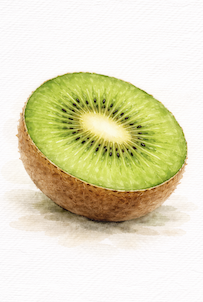
Kiwi slices are excellent for honing your patterns and attention to detail. A beautiful focus point is created by the radial arrangement of tiny black seeds. The page is made more exciting by the vivid green center, which naturally draws the eye.
🥝 Kiwi Watercolor Color Palette
| Color | Hex Code | Best Use |
|---|---|---|
| Kiwi Green | #9BCB52 | Main kiwi flesh and vibrant center tones |
| Lime Green | #B7DA73 | Highlights and fresh color transitions |
| Olive Green | #7E9C42 | Shadows and depth within the fruit |
| Seed Black | #2F2A25 | Seeds and contrast details |
| Kiwi Brown | #A17B55 | Outer skin and natural texture |
| Paper Ivory | #FFFDF8 | Background and watercolor paper effect |
17. Dragon Fruit Contrast
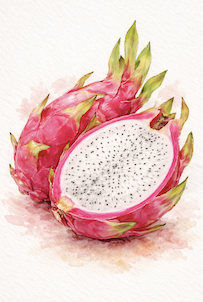
One of the most captivating visual fruits to paint is “dragon fruit.” Its white inside is well complemented by its bright pink skin and sporadic black seeds. Even a simple watercolor version appears striking and distinctive.
🐉 Dragon Fruit Watercolor Color Palette
| Color | Hex Code | Best Use |
|---|---|---|
| Dragon Pink | #EA6D9D | Main outer skin and vibrant focal areas |
| Rose Magenta | #D84F87 | Shadows and deeper skin details |
| Cactus Green | #A7C66B | Leaf tips and natural accents |
| Soft Cream | #F8F5EE | Fruit flesh and highlight areas |
| Seed Black | #2D2D2D | Seeds and contrast details |
| Blush Beige | #EED9D2 | Background splashes and soft shadows |
18. Tangerine Segments
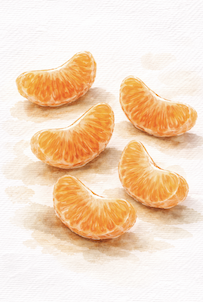
Tangerine slices arranged separately create a carefree and imaginative look. They are available in a vivid orange hue so that beginners can experiment with layering and transparency. Additionally, little accents are applied to depict the fruit’s opulent appearance.
🍊 Mandarin Segments Watercolor Color Palette
| Color | Hex Code | Best Use |
|---|---|---|
| Mandarin Orange | #F4A15A | Main citrus segments and vibrant tones |
| Tangerine Gold | #E88A3D | Shadows and segment definition |
| Peach Cream | #F9D0A6 | Highlights and soft watercolor blends |
| Citrus Beige | #E7D1BF | Background splashes and soft shadows |
| Warm Caramel | #C99B72 | Ground shadows and depth accents |
| Paper Cream | #FFFDF8 | Background and watercolor paper effect |
19. Coconut Split
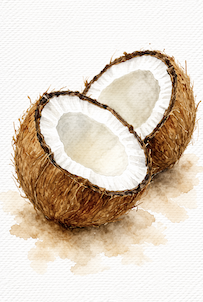
Without becoming overly complex, cracked coconut offers some intriguing textures. a contrast between the smooth white interior and the coarse brown outside. A great exercise for striking a balance between bright and dark hues is this painting.
🥥 Coconut Watercolor Color Palette
| Color | Hex Code | Best Use |
|---|---|---|
| Coconut Brown | #A7774E | Main coconut shell and texture details |
| Cocoa Brown | #7D583C | Deep shadows and shell definition |
| Cream White | #F7F3EC | Coconut flesh and bright highlights |
| Sandy Beige | #DCC7AE | Background washes and soft shading |
| Warm Taupe | #B69A82 | Subtle shadow transitions and texture |
| Paper Ivory | #FFFDF8 | Background and watercolor paper effect |
20. Fig Detail Study
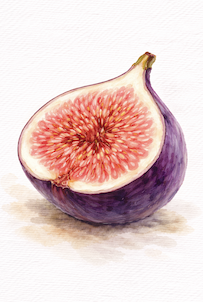
Amazing natural patterns and colors may be seen when a fig is cut in half. I adore how the pale pink center contrasts with the deep purple skin. Even novices may work with loose shapes and achieve a good finish.
🫒 Fig Watercolor Color Palette
| Color | Hex Code | Best Use |
|---|---|---|
| Fig Purple | #7B5AA6 | Main skin color and rich outer tones |
| Deep Plum | #5A3C7D | Shadows and darker fruit details |
| Fig Rose | #D98A8A | Inner flesh and watercolor highlights |
| Blush Peach | #F2C2B0 | Soft transitions and seed areas |
| Warm Beige | #D9C6B5 | Background splashes and gentle shadows |
| Paper Cream | #FFFDF8 | Background and brightest highlights |
21. Pomegranate Burst
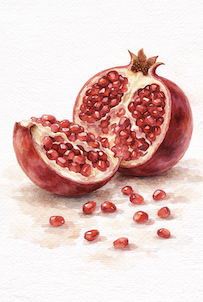
A vibrant watercolor artwork depicts a pomegranate bursting with ruby-red seeds. Painting little clusters of seeds can help with brush control, even if it may appear difficult. The painting really stands out thanks to its vivid hues.
❤️ Pomegranate Watercolor Color Palette
| Color | Hex Code | Best Use |
|---|---|---|
| Pomegranate Red | #C54A4A | Main fruit skin and juicy arils |
| Ruby Crimson | #A8333A | Deep shadows and rich seed details |
| Blush Rose | #E7B2AA | Inner flesh and watercolor highlights |
| Creamy Beige | #EEDBC9 | Pith, soft washes, and light reflections |
| Crown Brown | #8A654A | Fruit crown and accent details |
| Paper Ivory | #FFFDF8 | Background and watercolor paper effect |