There’s something so soothing about painting flowers using watercolors. Over the years I’ve discovered that painting flowers in watercolor is one of the easiest ways to slow down, unplug from the distractions of daily life, and enjoy a few tranquil hours of creativity.
Whether I’m painting a simple lavender stem or trying out loose wildflowers, the delicate mixing of watercolor always feels so calming and fulfilling.
One of the great things about floral watercolor art is that it doesn’t have to be flawless.
In reality, some of the most stunning floral paintings are created by embracing loose brush strokes, soft color transitions, and natural blemishes. Beginners can pick simple floral designs, while more advanced crafters can add layers, features and depth to produce amazing botanical art.
Looking for some inspiration for your next painting session? These floral watercolor ideas include a variety of traditional flowers, delicate botanical components, and unique compositions.
Prepare your favorite brushes, prepare your watercolor palette and enjoy creating these stunning flower designs.
1. Soft Rose Bloom
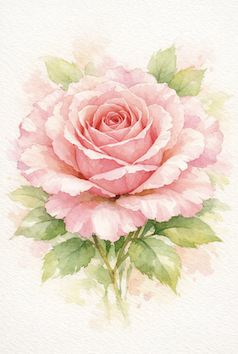
A budding rose makes a classic watercolors subject for practicing layering of petals and blending of gentle shades of pink. Focus on producing soft gradients rather than exact details. The natural softness of watercolor makes roses lovely and seductive.
| Color Used | Where It Is Used | Watercolor Stroke Technique |
|---|---|---|
| Blush Pink | Main rose petals, especially the outer layers of the bloom. | Layered wet-on-wet washes to create soft, delicate petal transitions. |
| Rose Pink | Center petals and deeper folds within the flower. | Controlled glazing with curved brushstrokes for depth and dimension. |
| Soft Sage Green | Leaves surrounding the rose and upper foliage. | Loose leaf-shaped strokes with subtle color blending. |
| Olive Green | Leaf shadows, stems, and darker foliage details. | Wet-on-dry detailing to define veins and structure. |
| Warm Peach Beige | Background splashes and soft shadow areas around the flower. | Light, diffused washes creating an airy watercolor effect. |
2. Lavender Sprigs
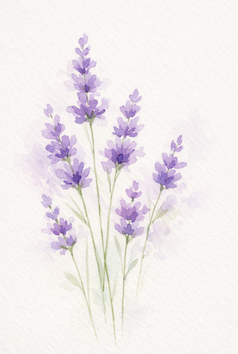
Lavender stems are an ideal subject for novices as their loose structure is forgiving and easy to paint. Create a light and airy image with soft purple hues and fine green stems. This design looks stunning in journals, greeting cards and framed art.
| Color Used | Where It Is Used | Watercolor Stroke Technique |
|---|---|---|
| Lavender Purple | Main flower spikes and petals throughout the lavender stems. | Loose dabbing strokes layered wet-on-wet for soft floral clusters. |
| Deep Violet | Shaded sections of the flower heads and petal overlaps. | Glazing technique with concentrated pigment for depth. |
| Soft Lilac | Highlights on petals and lighter blossoms near the tips. | Light washes with feathered edges to create airy transparency. |
| Sage Green | Slender stems and subtle leaf details. | Fine upward brushstrokes using wet-on-dry application. |
| Misty Lavender Gray | Background blooms and soft shadow effects behind the stems. | Diffused wet-on-wet washes that blend gently into the paper. |
3. Wildflower Meadow
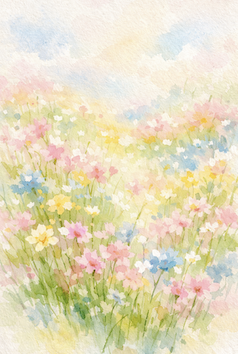
Watercolor style loose and expressive invites a field of small wildflowers. Use pastel shades like blue, yellow, pink and purple blended over the page. This is the one I always come back to when I want to paint without worrying about precision too much and just have a stress-free painting session.
| Color Used | Where It Is Used | Watercolor Stroke Technique |
|---|---|---|
| Soft Pink | Wildflower petals scattered across the meadow, creating a delicate spring feel. | Loose wet-on-wet dabs with softened edges for airy blossoms. |
| Butter Yellow | Small flowers throughout the field and sunlit highlights. | Light washes layered with tiny stippled strokes. |
| Sky Blue | Clusters of flowers and subtle accents in the distant meadow. | Gentle wet-on-wet blending to create soft floral shapes. |
| Fresh Meadow Green | Grass blades, stems, and foliage covering the foreground. | Quick upward brushstrokes with varied pressure for natural texture. |
| Pale Blue & Cream | Background sky and atmospheric light surrounding the flower field. | Broad diluted washes blended seamlessly for a dreamy landscape effect. |
4. Sunflower Glow
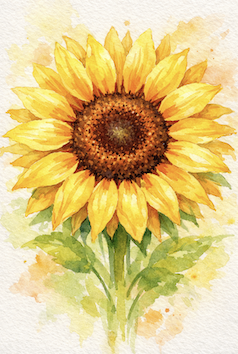
Sunflowers provide warmth and vigor to any watercolor collection. The bright yellow petals and deep brown cores are a stark contrast. Quick brush strokes are good to get their happy, natural look without making it too difficult.
| Color Used | Where It Is Used | Watercolor Stroke Technique |
|---|---|---|
| Golden Yellow | Main sunflower petals radiating outward from the center. | Layered wet-on-wet washes with elongated petal-shaped strokes. |
| Warm Amber | Shadows and deeper tones within the petals. | Glazing technique applied over dried layers for depth. |
| Rich Brown | Seed-filled center disk of the sunflower. | Stippling and concentrated dabs to create texture and dimension. |
| Leaf Green | Leaves and stem supporting the flower. | Loose brushstrokes blended wet-on-wet for natural foliage. |
| Soft Peach Yellow | Background splashes and subtle glow around the bloom. | Diffuse washes with soft edges to enhance warmth and atmosphere. |
5. Cherry Blossom Branch
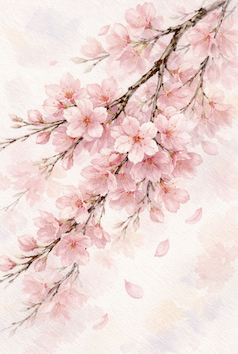
Cherry blossoms are recognized for their delicate beauty and beautiful pink color. Paint clusters of blossoms on dark stems, with some petals falling across the paper. It’s the balance of soft flowers and strong branches that makes it work.
| Color Used | Where It Is Used | Watercolor Stroke Technique |
|---|---|---|
| Blush Pink | Main cherry blossom petals covering the branches. | Soft wet-on-wet washes layered to create delicate translucent petals. |
| Rose Pink | Flower centers and shaded petal folds for added depth. | Controlled glazing with light circular brushstrokes. |
| Warm Brown | Tree branches and smaller twigs supporting the blossoms. | Fine wet-on-dry strokes with slight variations in pressure. |
| Pale Mauve | Background blossoms and subtle shadow areas around the flowers. | Diffused washes blended softly into the paper. |
| Soft Cream Pink | Falling petals and highlights across the floral clusters. | Light lifting and diluted washes to maintain an airy spring appearance. |
6. Floral Wreath Circle
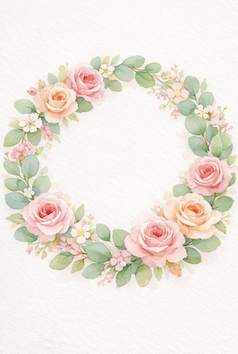
A floral wreath is a piece of artwork that uses several watercolor techniques. 8 roses, eucalyptus leaves and little blooms, arranged in a ring. This is a great idea for homemade invites, for wall art or for personalized presents.
| Color Used | Where It Is Used | Watercolor Stroke Technique |
|---|---|---|
| Soft Blush Pink | Large rose blooms arranged throughout the floral wreath. | Layered wet-on-wet petal strokes creating soft, rounded rose forms. |
| Peach Apricot | Accent roses and flower centers adding warmth to the composition. | Gentle glazing with curved brushstrokes for depth and dimension. |
| Sage Green | Round eucalyptus leaves forming the circular base of the wreath. | Loose leaf-shaped washes with subtle color variations. |
| Pale Green | Smaller leaves and fresh foliage scattered between the flowers. | Light wet-on-dry strokes to define delicate botanical details. |
| Soft Cream Pink | Tiny blossoms and highlights that brighten the wreath design. | Diluted washes and lifted highlights for an airy watercolor effect. |
7. Peony Elegance
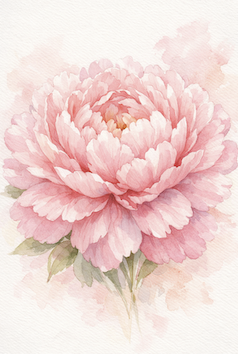
Peonies are often known for their layers of petals and beautiful looks. Use gentle pinks and light shading to make the image feel deep without feeling weighty. The natural flowing shapes are perfect for watercolor techniques.
| Color Used | Where It Is Used | Watercolor Stroke Technique |
|---|---|---|
| Blush Pink | Outer peony petals forming the large, layered bloom. | Soft wet-on-wet washes with overlapping petal-shaped strokes. |
| Rose Pink | Inner petals and shaded folds near the flower center. | Glazing in multiple layers to build depth and dimension. |
| Warm Coral Pink | Central petals and subtle highlights within the blossom. | Controlled brushwork with concentrated pigment for focal details. |
| Sage Green | Leaves and stems beneath the flower. | Loose wet-on-dry strokes with gentle blending for natural foliage. |
| Soft Peach Beige | Background washes and surrounding floral shadows. | Diffused wet-on-wet washes creating a dreamy, airy backdrop. |
8. Tulips in Vase
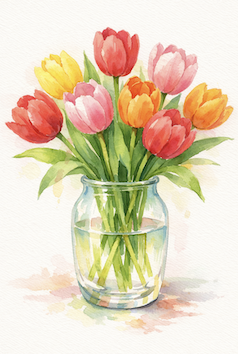
Painting tulips in a vase gives you a chance to paint the flowers and the glass as well. Try vibrant flowers and add some light reflections to the vase. This is a fresh, happy piece, excellent for spring inspired art.
| Color Used | Where It Is Used | Watercolor Stroke Technique |
|---|---|---|
| Tulip Red | Several tulip blooms positioned around the bouquet as focal flowers. | Layered wet-on-wet petal strokes with soft blended edges. |
| Soft Pink | Light pink tulips adding contrast and balance among the brighter blooms. | Gentle glazing and curved brushstrokes to define petal shapes. |
| Golden Yellow | Yellow and orange tulips that bring warmth and vibrancy to the arrangement. | Transparent washes layered with concentrated highlights. |
| Fresh Leaf Green | Leaves and stems filling the bouquet and extending into the vase. | Long, fluid brushstrokes with wet-on-dry detailing for structure. |
| Soft Aqua Blue | Glass vase reflections, water, and subtle transparent highlights. | Light diluted washes with lifted areas to create a realistic glass effect. |
9. Daisy Simplicity
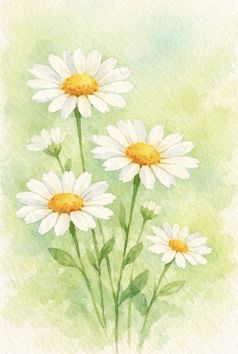
Daisy blossoms are among the easiest flowers to paint and are great for beginners. A clean and appealing design with simple white petals and brilliant yellow centers. A subtle green wash on the backdrop gives further softness and complexity.
| Color Used | Where It Is Used | Watercolor Stroke Technique |
|---|---|---|
| Pure White | Daisy petals radiating around the flower centers. | Reserved paper whites with soft shadow washes to define petal layers. |
| Golden Yellow | Centers of the daisies, creating bright focal points. | Layered wet-on-dry dabs with concentrated pigment for texture. |
| Fresh Spring Green | Stems and leaves supporting the flowers. | Long, fluid brushstrokes with gentle color blending. |
| Soft Sage Green | Leaf shadows and subtle foliage variations. | Light glazing to add depth and natural dimension. |
| Pale Meadow Green | Background wash surrounding the daisy arrangement. | Broad wet-on-wet washes creating a soft, airy garden atmosphere. |
10. Blue Hydrangea Cluster
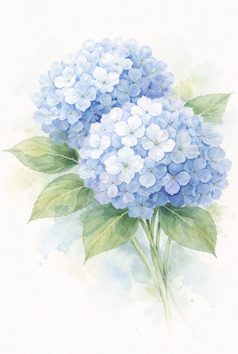
Hydrangeas have many tiny petals gathered together in huge spherical clusters. To generate depth, mix together several tints of blue and violet. The outcome is a beautiful, dreamy floral artwork that feels full and alive.
| Color Used | Where It Is Used | Watercolor Stroke Technique |
|---|---|---|
| Powder Blue | Hydrangea petals forming the main flower clusters. | Soft wet-on-wet washes layered to create rounded floral masses. |
| Periwinkle Blue | Deeper petals and shaded sections within the blooms. | Glazing with concentrated pigment to enhance depth and dimension. |
| White | Petal highlights and lighter blossoms throughout the clusters. | Reserved paper whites and gentle lifting techniques for luminosity. |
| Sage Green | Large leaves surrounding the flower heads. | Loose leaf-shaped brushstrokes blended wet-on-wet. |
| Pale Aqua Green | Background washes, stems, and soft surrounding shadows. | Diffused washes with feathered edges for an airy botanical effect. |
11. Poppy Field Scene
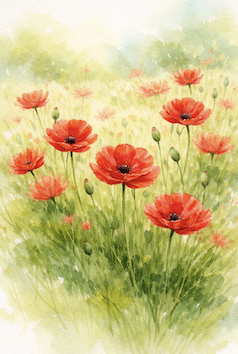
Poppies contrast strikingly with gentle green surroundings. The brilliant red of the petals lend themselves to loose, expressive strokes that reflect the fluidity of watercolor. This design gives a great feeling of mobility and openness.
| Color Used | Where It Is Used | Watercolor Stroke Technique |
|---|---|---|
| Poppy Red | Main poppy petals scattered throughout the flower meadow. | Layered wet-on-wet washes with loose, rounded petal strokes. |
| Burnt Orange | Shaded areas of petals and warm highlights within the blooms. | Glazing technique applied over dry layers for added depth. |
| Deep Charcoal Brown | Flower centers and small focal details. | Concentrated dabbing and stippling for texture and contrast. |
| Fresh Grass Green | Stems, buds, and dense meadow foliage in the foreground. | Quick upward brushstrokes with varied pressure for natural movement. |
| Pale Yellow-Green | Background field, sunlight effects, and distant vegetation. | Broad wet-on-wet washes creating a soft, luminous spring atmosphere. |
12. Floral Bouquet Composition
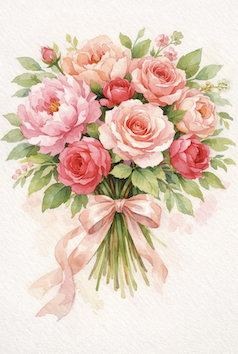
With a mixed bouquet you can mix different flowers into one piece of art. Add roses, peonies, foliage and tiny filler flowers for diversity. Great assignment for practicing color balance and general composition.
| Color Used | Where It Is Used | Watercolor Stroke Technique |
|---|---|---|
| Blush Pink | Large roses and peony petals forming the focal flowers of the bouquet. | Layered wet-on-wet washes with soft curved strokes to create delicate petals. |
| Coral Pink | Smaller roses and accent blooms adding richness and contrast. | Glazing with concentrated pigment to define petal folds and depth. |
| Peach Cream | Highlight areas of roses and lighter blossoms throughout the arrangement. | Transparent washes with subtle lifting to maintain luminosity. |
| Sage Green | Leaves, stems, and surrounding foliage supporting the bouquet. | Loose leaf-shaped brushstrokes blended wet-on-wet for a natural look. |
| Dusty Rose Beige | Ribbon bow and soft background washes behind the flowers. | Light diffused washes with feathered edges for an elegant watercolor finish. |
13. Magnolia Blossom
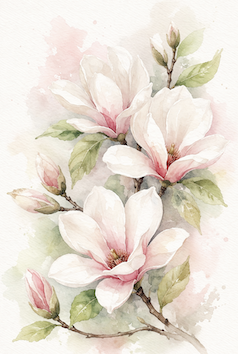
Magnolia has huge beautiful petals that are great for watercolour. Use creamy whites with accents of pink and gray to create genuine depth. Their delicate forms make for a refined and soothing painting.
| Color Used | Where It Is Used | Watercolor Stroke Technique |
|---|---|---|
| Soft Ivory White | Main magnolia petals forming the large open blossoms. | Layered transparent washes with preserved highlights for a delicate floral appearance. |
| Blush Pink | Petal bases and inner sections of the magnolia flowers. | Wet-on-wet blending to create smooth color transitions into the white petals. |
| Sage Green | Leaves surrounding the blossoms and unopened buds. | Loose leaf-shaped brushstrokes with subtle tonal variation. |
| Warm Brown | Branches and stems supporting the flowers and buds. | Fine wet-on-dry strokes with controlled pressure for natural branch texture. |
| Pale Rose Beige | Background splashes and soft shadows around the composition. | Diffused wet-on-wet washes creating an airy, romantic botanical effect. |
14. Lotus Flower Serenity
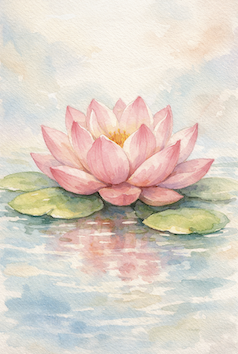
The lotus blossom is a symbol of serenity, harmony and quiet. Paint the blossom floating over still water. Add gentle reflections below. Whenever I paint lotus blossoms I find the process very calming because of the gentle color pallet.
| Color Used | Where It Is Used | Watercolor Stroke Technique |
|---|---|---|
| Lotus Pink | Main lotus petals forming the open bloom at the center of the composition. | Layered wet-on-wet washes with soft pointed strokes to shape individual petals. |
| Rose Pink | Petal tips and inner shadows that add depth to the flower. | Glazing over dry layers to enhance dimension and contrast. |
| Golden Yellow | Flower center and subtle highlights within the lotus bloom. | Small concentrated dabs applied wet-on-dry for delicate detail. |
| Lily Pad Green | Floating lily pads surrounding the lotus on the water surface. | Broad blended brushstrokes with soft edge transitions. |
| Misty Blue Gray | Water reflections, ripples, and the soft atmospheric background. | Loose wet-on-wet washes creating a calm reflective watercolor effect. |
15. Garden Roses Cluster
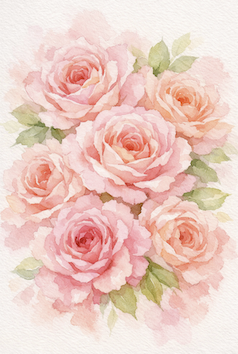
Instead of painting a single rose, paint multiple roses grouped together in pinks, peaches, and creams. The overlapping blossoms add visual interest and let you practice layering and depth across the picture.
| Color Used | Where It Is Used | Watercolor Stroke Technique |
|---|---|---|
| Blush Pink | Main rose petals across all blooms, creating the soft romantic focal point. | Layered wet-on-wet washes with gently curved strokes for delicate petals. |
| Peach Pink | Upper roses and highlighted petals that add warmth to the arrangement. | Transparent glazing with gradual color transitions for depth. |
| Rose Coral | Flower centers and deeper folds within the lower blossoms. | Controlled wet-on-dry detailing to emphasize petal structure. |
| Sage Green | Leaves surrounding the roses and filling the spaces between blooms. | Loose leaf-shaped brushstrokes with soft blended edges. |
| Soft Petal Pink | Background washes and subtle shadows around the floral cluster. | Diffused wet-on-wet washes creating an airy, dreamy watercolor effect. |
16. Floral Border Design
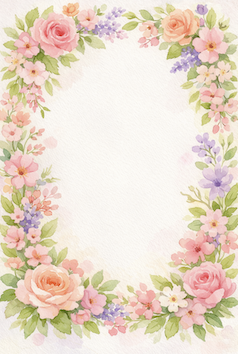
Floral borders are attractive and flexible. You can add flowers and plants on the sides of the page leaving the center blank. This design is perfect for invitations, stationery, or customized artwork.
| Color Used | Where It Is Used | Watercolor Stroke Technique |
|---|---|---|
| Blush Pink | Large roses and daisy-like flowers arranged around the floral border. | Layered wet-on-wet washes with soft rounded strokes for delicate petals. |
| Peach Apricot | Accent roses positioned in the corners and upper sections of the frame. | Transparent glazing with subtle color variations for depth. |
| Lavender Purple | Small clustered blossoms scattered throughout the arrangement. | Loose dabbing strokes layered lightly to create airy floral accents. |
| Sage Green | Leaves, stems, and foliage forming the structure of the decorative border. | Leaf-shaped brushstrokes blended wet-on-wet for a natural botanical look. |
| Soft Cream Pink | Background floral shadows and tiny filler blossoms around the frame. | Diffused washes with feathered edges for a light, romantic watercolor effect. |
17. Cosmos Flowers
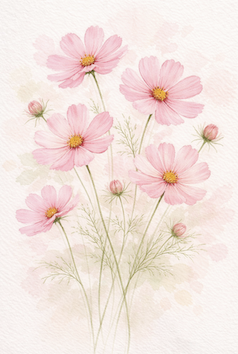
Cosmos flowers look light and airy with their delicate petals and thin stems. Use delicate pink tones and unstructured brushstrokes to highlight their natural beauty. They make fantastic topics for minimalist watercolor paintings.
| Color Used | Where It Is Used | Watercolor Stroke Technique |
|---|---|---|
| Soft Cosmos Pink | Main cosmos flower petals spread across the delicate blooms. | Light wet-on-wet washes with elongated petal-shaped strokes. |
| Rose Pink | Petal centers and subtle shaded areas within the blossoms. | Gentle glazing to build depth while maintaining transparency. |
| Golden Yellow | Flower centers that create bright focal points in each bloom. | Small concentrated dabs applied wet-on-dry for texture. |
| Sage Green | Thin stems, buds, and feathery foliage beneath the flowers. | Fine linear brushstrokes with delicate layering for an airy appearance. |
| Pale Blush Beige | Background washes and soft floral shadows surrounding the arrangement. | Diffused wet-on-wet washes creating a dreamy spring garden effect. |
18. Spring Floral Basket
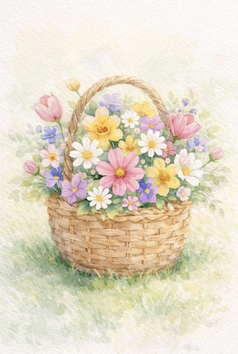
A basket of spring flowers makes a bright and detailed composition. Combine vivid blossoms with fresh vegetation in a casual and lively painting technique. There is a lot of potential for imagination and individual interpretation in this project.
| Color Used | Where It Is Used | Watercolor Stroke Technique |
|---|---|---|
| Soft Pink | Tulip-like blooms and central flowers arranged throughout the basket. | Layered wet-on-wet washes with gentle curved strokes for delicate petals. |
| Butter Yellow | Daffodil-style flowers and small blossoms adding brightness to the arrangement. | Transparent washes with concentrated centers for natural highlights. |
| Lavender Purple | Small filler flowers scattered between the larger blooms. | Loose dabbing strokes layered lightly to create floral clusters. |
| Fresh Spring Green | Leaves, grass, stems, and surrounding foliage around the basket. | Soft blended brushstrokes with fine detailing for natural texture. |
| Warm Basket Beige | Woven basket body and handle forming the base of the composition. | Layered wet-on-dry strokes with subtle crosshatching to suggest woven texture. |
19. Hibiscus Bloom
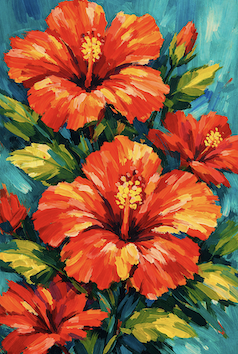
Hibiscus blooms are recognized for their bright colors and striking forms. Watercolor looks wonderful in deep reds, pinks or coral. The bold stamen is the focal element of the flower and makes it readily recognized.
| Color Used | Where It Is Used | Watercolor Stroke Technique |
|---|---|---|
| Vibrant Coral Red | Main hibiscus petals dominating the floral composition. | Bold impasto-style strokes layered with expressive directional brushwork. |
| Golden Orange | Petal highlights and warm transitions within the flower blooms. | Short, textured strokes blended into the red petals for luminosity. |
| Bright Yellow | Flower stamens and accent highlights near the bloom centers. | Thick concentrated dabs creating strong focal points and contrast. |
| Leaf Green | Leaves and foliage surrounding the hibiscus flowers. | Angular layered brushstrokes with varied tones for depth and movement. |
| Turquoise Blue | Background areas framing the flowers and enhancing color contrast. | Broad expressive strokes applied in multiple directions for a painterly effect. |
20. Loose Floral Abstract
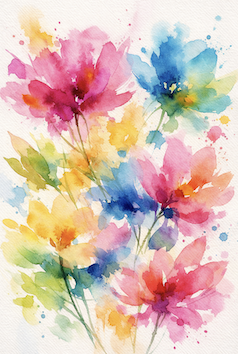
Abstract florals offer a chance to play around without needing to be realistic. Rather than defining the flowers precisely, imply them with color splashes, unstructured forms, and emotive brushstrokes. This is an exceptionally good way to develop confidence with watercolor techniques.
| Color Used | Where It Is Used | Watercolor Stroke Technique |
|---|---|---|
| Bright Magenta Pink | Large focal flowers positioned throughout the composition. | Loose wet-on-wet washes with vibrant pigment blooms and soft edges. |
| Sky Blue | Upper-right flower, central floral accents, and paint splashes. | Free-flowing watercolor blending with expressive color diffusion. |
| Butter Yellow | Small blossoms and warm highlights scattered among the flowers. | Transparent washes layered lightly for a luminous effect. |
| Fresh Leaf Green | Leaves, stems, and foliage supporting the floral arrangement. | Quick gestural brushstrokes with soft color transitions. |
| Lavender Purple | Flower centers, shadow details, and blended transitional areas. | Wet-into-wet blending with splatter effects for an abstract watercolor style. |
21. Jasmine Bloom
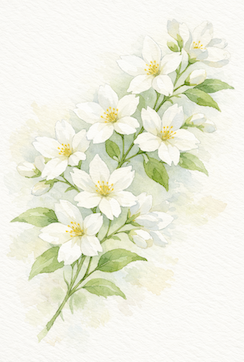
Small, yet the delicate, star-shaped petals of jasmine flowers are a great subject for watercolor art. Paint plenty of white flowers with a yellow centre and light green leaves. Their minimalist design provides the artwork a new and calm feeling.
| Color Used | Where It Is Used | Watercolor Stroke Technique |
|---|---|---|
| Soft Ivory White | Main petals of the jasmine-like blossoms arranged along the flowering branch. | Transparent layered washes with preserved paper whites for luminous petals. |
| Golden Yellow | Flower centers and delicate stamens within each bloom. | Small concentrated dabs applied wet-on-dry for crisp detail. |
| Fresh Spring Green | Leaves surrounding the blossoms and supporting the floral cluster. | Loose leaf-shaped strokes blended wet-on-wet for natural variation. |
| Pale Sage Green | Flower buds, stems, and subtle shaded foliage areas. | Light glazing with soft edge transitions to create depth. |
| Warm Cream Beige | Background washes and soft atmospheric shadows behind the branch. | Diffused wet-on-wet washes creating a gentle botanical backdrop. |